Why Does My Coffee Taste Bitter at Home? Fix It Fast!
Why Does My Coffee Taste Bitter at Home? The 3 Usual Suspects

Why does my coffee taste bitter at home? Fix it fast with fresh roasted specialty coffee, simple brew tips, and smoother café-level cups without new gear.
I used to blame my coffee maker.
Then I blamed my grinder.
Then I blamed myself like I had personally failed breakfast.
But the real answer to Why Does My Coffee Taste Bitter at Home is usually simple. Your coffee is low quality, over-roasted, over-extracted, or all 3 at the same time.
That is rude. But helpful.
The good news? You do not need a lab coat, a $900 machine, or a tiny scale named Chad. You need better beans, a simple brew fix, and a clear plan.
This guide will help you make coffee that is not bitter at home without turning your kitchen into a café science fair.
Bitter Coffee Usually Has 3 Main Causes
Most people try to fix bitter coffee the wrong way.
They buy a new coffee maker.
They change mugs.
They whisper threats at the machine.
But bitter coffee usually starts before the water even touches the grounds.
Here are the 3 most common causes.
1. Low Quality Coffee
Low quality coffee can taste bitter because the raw coffee was not great to begin with.
It may have defects. It may be old. It may be poorly processed. It may have been roasted dark to hide flaws.
That is like putting BBQ sauce on a burnt shoe.
It may help.
But it is still a shoe.
This is why better coffee starts with better beans. Fresh, high-scoring specialty coffee gives you a cleaner starting point. Less guesswork. Less bitterness. More “oh wow, this is actually good.”
If you want a smooth place to start, try Washed Guatemala Coffee. It is built for people who want low acidity coffee beans that taste good without a sharp, sour, or bitter cup.
For a deeper guide on picking better beans, read the Best Guide To Buy Great Coffee.
2. Over-Roasted Coffee
Dark coffee is not always bad.
Bad dark coffee is bad.
There is a difference.
Over-roasted coffee can taste burnt, smoky, ashy, or harsh. If the roast taste takes over the bean taste, your cup can turn into hot cardboard water with a side of campfire.
A good dark roast should still taste smooth.
A bad dark roast tastes like regret with caffeine.
If you like bold coffee, try Espresso Blend. It gives you a bigger cup without the “why does this taste like burnt toast?” problem.
If you want classic, easy, breakfast coffee, Deli Donut Blend is the safe bet. It is made for drip coffee makers, morning routines, and people who just want coffee to taste like coffee again.
That is why it is one of my favorite picks for the best coffee beans for drip coffee makers.
3. Over-Extracting Coffee
Over-extraction means the water pulled too much from the coffee.
That can happen when:
-
Your grind is too fine.
-
Your brew time is too long.
-
Your water is too hot.
-
You use too little coffee.
-
Your coffee sits on heat too long.
This is the sneaky one.
You can buy great beans and still make them taste bitter if your brew pulls too much. However, don't confuse astringent bitterness with acidity, they are entirely different.
Most people new to specialty coffee think acidity means “sour and sharp,” but a lot of the time they are actually tasting astringent bitterness from over-extracted, stale, low-quality, or over-roasted coffee that dries their mouth out like bad red wine. So, if you trust your roaster and know you have the best specialty coffee for home, chances are you're over-extracting the coffee. Try adjusting the grind size (up or down in size), it solves the issues most of the time.
Real acidity in fresh specialty coffee should taste bright, juicy, and clean — more like a sweet orange or crisp apple, not hot battery water.
That is why fresh, high-scoring specialty coffee matters. When the beans are clean, roasted right, and brewed well, acidity becomes the thing that makes coffee exciting.
Not scary.
Not sour.
Not “coffee snob nonsense.”
Just a better cup that does not punish you for waking up.
The fix is simple.
If your coffee tastes bitter, grind a little coarser, shorten the brew time, lower the water temp a little, or use slightly more coffee.
Small changes win here.
No panic. No dramatic bean funeral.
What Happens When You Fix the Real Problem
When you use fresh, high-scoring specialty coffee and stop over-extracting it, your cup gets smoother fast.
You get more sweetness.
Less harsh bite.
Less stale flavor.
Less “why did I do this to myself at 7 a.m.?”
This is how to get the best tasting coffee at home without buying new gear.
Fresh beans help remove the biggest wild card. A simple recipe fixes the rest.
If you want the full home brewing path, check out Best Tasting Coffee at Home and my Best Home Coffee Recipes.
How To Fix Bitter Coffee at Home

Use this simple plan.
Start with the beans.
Then fix the brew.
Do not try 14 changes at once. That is how breakfast becomes a group project.
Step 1: Check the Bag
Look for a roast date.
Not just a best-by date.
A roast date tells you when the coffee was roasted. A best-by date tells you when the company thinks it may still be legally coffee.
That is a big difference.
If your bag has no roast date, then buy coffee beans with roast date.
Fresh coffee gives you a better shot at a smooth cup.
For more on fresh coffee, visit Fresh Roasted Coffee Beans Online.
Step 2: Stop Buying Random Dark Coffee
Dark roast can be great.
But if every bag tastes bitter, smoky, or burnt, your roast may be too dark for your taste.
Use this rule:
If your coffee tastes burnt, then go lighter.
Try medium roast or Full City+ instead of very dark roast.
A smoother medium coffee like Deli Donut Blend is great for daily drip coffee.
A bold but cleaner cup like Espresso Blend is better if you want more body without harsh bitterness.
Step 3: Use Better Coffee Before Better Gear
A better machine cannot save bad beans.
It can only make bad beans faster.
Before you spend money on gear, fix the coffee first.
Use fresh, specialty coffee. Grind it fresh if you can. Use filtered water.
That is how to brew better coffee without expensive equipment.
For a simple way to order fresh coffee, read the Guide To Fast & Easy Coffee Delivery or visit Best Coffee Bean Delivery.
Step 4: Fix Your Grind
Grind size matters.
Too fine can taste bitter.
Too coarse can taste sour or weak.
Use this rule:
If your coffee tastes bitter, then grind coarser.
Move 1 notch coarser on your grinder.
Brew again.
Still bitter? Go 1 more notch.
Do not jump 7 settings unless you enjoy chaos.
Step 5: Fix Your Ratio
A good starting ratio is:
1 gram coffee to 16 grams water.
For a normal mug, try:
-
20 grams coffee
-
320 grams water
No scale? Use about 2 rounded tablespoons of whole bean coffee for every 6 ounces of water as a starting point.
Not perfect.
Good enough to improve your cup.
Use this rule:
If your coffee tastes weak and bitter, then use a little more coffee.
Weak and bitter often means the water pulled too much from too little coffee.
Rude little trick.
Step 6: Check Water Temperature
Water that is too hot can pull bitter flavors faster.
Start around:
195°F to 205°F
Use this rule:
If your coffee tastes bitter and dry, then lower water temp by 5°F.
No temp control kettle? Let boiling water sit for 30 to 45 seconds before brewing.
Simple. Cheap. Works.
Step 7: Match the Coffee to the Brew
Some coffees shine in drip.
Some crush it in espresso.
Some taste wild and fun as pour over.
Some are best cold.
Here is the easy decision guide:
-
Want smooth daily coffee? Try Deli Donut Blend.
-
Want bold espresso or strong coffee? Try Espresso Blend.
-
Want smooth, low-acid comfort? Try Washed Guatemala Coffee.
-
Want rare, floral, fancy-but-not-snobby coffee? Try Peruvian Geisha.
-
Want iced coffee without the bitter bite? Try the Fast & Easy Cold Brew Kit.
This is specialty coffee explained simply.
Pick the cup you want.
Then pick the bean that fits.
Fresh Specialty vs Warehouse Specialty Coffee
| What Matters | Fresh Specialty | Warehouse Specialty |
|---|---|---|
| Roast date | Clear roast date on the bag | Often only a best-by date |
| Flavor | Sweeter, cleaner, smoother | Can taste flat, stale, or dull |
| Bitter risk | Lower when brewed well | Higher if old or over-roasted |
| Freshness | Roasted close to shipping | May sit before you buy it |
| Buying confidence | Easier to know what you are drinking | More guesswork |
| Best for home brewing | Great for drip, French press, espresso, and cold brew | Hit or miss |
| Taste clarity | Bean flavor can shine | Roast or stale flavor may take over |
| Morning stress | Less “why is this bitter?” | More kitchen sadness |
Fresh specialty coffee is not magic.
But it gives you a much better starting line.
That matters.
Freshness and Buying Guidance
Roast Date vs Best-By Date
A roast date tells you when your coffee was roasted.
A best-by date tells you very little.
Coffee can still be “within date” and taste stale.
This is why fresh coffee beans vs grocery store coffee is not a small detail. It is often the whole game.
When you buy coffee beans roasted to order, you remove the stale shelf problem.
That is how you get specialty coffee delivered fresh instead of coffee that has been sitting around waiting for someone to feel brave.
For more detail, visit Best Specialty Coffee Online.
How To Choose the Right Roast

Use this simple roast guide:
-
Light roast: brighter, fruitier, more origin flavor, and more acidity.
-
Medium roast: smooth, sweet, balanced acidity.
-
Full City+ roast: bold, deeper, still clean, lower acidity.
-
Dark roast: heavy body, more roast flavor, lowest acidity.
If you hate bitter coffee, do not start with the darkest roast.
Start with medium or Full City+.
That is usually the safest path for the best coffee for people who hate bitter coffee.
If you want a smooth, low-acid cup, Washed Guatemalan Coffees at Medium or FullCity+ roasts are smart picks.
If you want classic morning coffee, Deli Donut Blend is the easy button.
How To Store Coffee
Keep coffee away from:
-
Air
-
Heat
-
Light
-
Moisture
Do not store it above the oven.
Do not store it in the fridge.
Do not let it sit open like a bowl of cereal at a toddler party.
Keep it sealed in the bag or an airtight container.
Then use it within a few weeks for the best cup.
Single Origin vs Blends
Single origin coffee comes from one place.
Blends combine coffees to hit a clear flavor goal.
Neither is “better” for everyone.
Use this rule:
If you want simple and steady, choose a blend.
That is why Deli Donut Blend works so well for normal mornings.
If you want fun and unique, choose single origin.
That is where Peruvian Geisha makes sense. It is more floral, rare, and special.
Not better.
Just different.
Coffee is personal.
3 Specialty Tips That Make Coffee Taste Better Fast
Tip 1: Rest Fresh Coffee for 2 to 7 Days
Coffee can be too fresh right after roasting.
It needs a little time to release gas.
For most home brewing, 2 to 7 days after roast is a great window.
Espresso may need a little more rest.
This helps the cup taste smoother and less sharp.
Tip 2: Smell the Dry Grounds First
Before you brew, smell the grounds.
If they smell sweet, nutty, fruity, or chocolatey, good sign.
If they smell flat, smoky, dusty, or like a sad office break room, bad sign.
Your nose gets the warning before your tongue gets punished.
Tip 3: Cold Brew Hides Less Than You Think
Cold brew is smooth because it extracts slower with cold water.
But bad beans can still make bad cold brew.
If your iced coffee tastes harsh, try fresh beans or a ready-to-steep option like the Fast & Easy Cold Brew Kit.
It is made to keep cold coffee simple.
No strainer drama.
No bitter jug of sadness.
Do Expensive Coffee Makers Make Better Coffee?
Sometimes.
But not if the beans are bad.
A better brewer can help with heat and even extraction.
But it cannot turn stale, over-roasted beans into sweet specialty coffee.
That is why I always tell home coffee lovers to fix the beans first.
Start with the best whole bean coffee for home brewing. Then adjust grind, ratio, and water.
That is the fastest path to how to get café quality coffee at home.
If you want to know more about how I roast and why freshness matters to me, visit About My Roastery.
Best Coffee Picks If Your Coffee Tastes Bitter
Here is the simple version.
For smooth daily coffee
Choose Deli Donut Blend.
Best for drip coffee, morning mugs, and people who want coffee to taste like coffee.
For bold coffee without the burnt taste
Choose Espresso Blend.
Best for espresso, strong drip, moka pot, and milk drinks.
For low-acid smooth coffee
Choose Washed Guatemala Coffee.
Best for people who want soft, clean, easy coffee.
For rare specialty coffee
Choose Peruvian Geisha.
Best for people new to specialty coffee who want to taste something special without needing a flavor wheel tattoo.
For cold brew
Choose the Fast & Easy Cold Brew Kit.
Best for smooth iced coffee with less mess.
What If You Want Coffee Chosen for You?
Some people like picking beans.
Some people would rather not turn breakfast into homework.
Both are fair.
If you want a guided path, a Best Craft Coffee Subscription can help you get fresh coffee picked around your taste.
This is great if you want a coffee subscription for home or the best coffee subscription for beginners without coffee snob nonsense.
The goal is simple.
Less guessing.
Better mornings.
FAQs For Brewing The Best Tasting Home Specialty Coffee
Why does my coffee taste bitter at home?
Your coffee may taste bitter at home because the beans are low quality, over-roasted, stale, or over-extracted during brewing. Start with fresh specialty coffee, grind a little coarser, and use a simple 1:16 coffee-to-water ratio.
How do I make coffee that is not bitter?
To make coffee that is not bitter, use fresh coffee beans with a roast date, avoid overly dark roasts, grind slightly coarser, and do not brew too long. Medium roast specialty coffee is often the safest place to start.
Are fresh roasted coffee beans online better than grocery store coffee?
Fresh roasted coffee beans online can taste better than grocery store coffee because they are usually roasted closer to the day they ship. Grocery store coffee may sit for weeks or months and often uses a best-by date instead of a roast date.
What are the best coffee beans for smooth coffee?
The best coffee beans for smooth coffee are fresh, high-scoring specialty beans roasted light-medium to medium-dark. A smooth Guatemala, a balanced breakfast blend, or a clean espresso blend can reduce bitter flavors.
Do expensive coffee makers make better coffee?
Expensive coffee makers can help, but they will not fix stale or low quality beans. Better coffee starts with better beans, then you can improve grind size, water temperature, and brew ratio.
What is the best coffee for people new to specialty coffee?
The best coffee for people new to specialty coffee is smooth, fresh, easy to brew, and not too weird. Start with a balanced blend or a clean single origin before trying rare coffees like Geisha.
PS: The Fastest Fix
Before you change your machine, change your beans.
Try fresh coffee with a roast date. Grind a little coarser. Use a 1:16 ratio.
That alone can turn “hot cardboard water” into a cup you actually want to drink.
For more simple recipes, use the Best Home Coffee Recipes.
Also in Best Coffee To Buy Online Education

Medium Roast Specialty Coffee: Best Picks by Palate
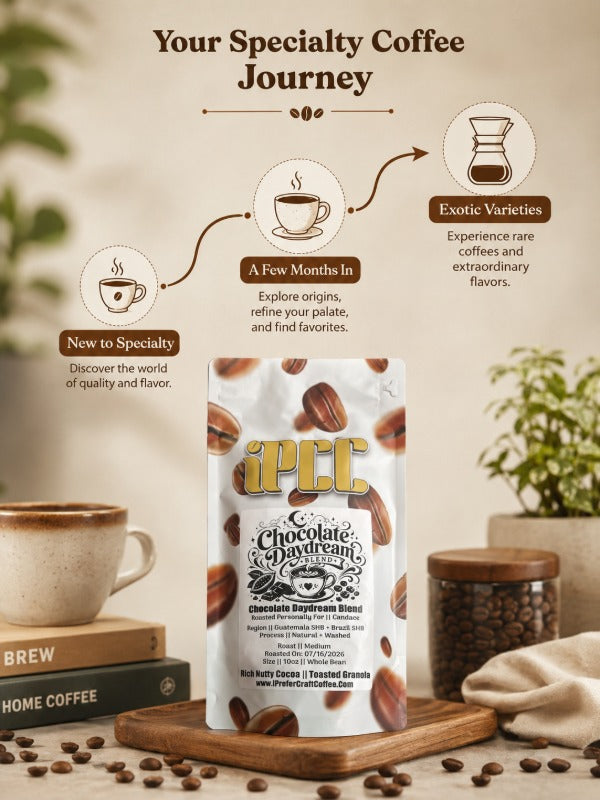
This article explains how to choose medium roast specialty coffee based on experience level, why natural processed, low-acidity blends from South and Central America suit beginners, and how home coffee lovers can work toward more nuanced, exotic single origins like Geisha or Mokka as their palate develops.

Cafe-Level Coffee at Home: Beans, Not Big Coffee Lies
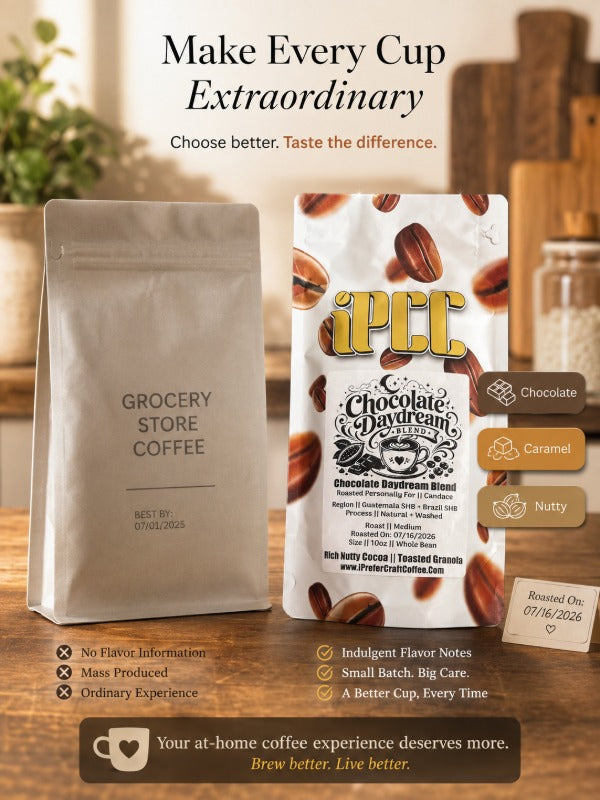
This article explains why cafe-level coffee at home depends on the quality and freshness of the beans rather than brewing equipment, and shows beginner home coffee lovers how to choose smoother, less bitter specialty coffee by matching it to familiar flavors like chocolate, caramel, and nuts.

Best Craft Coffee Online: Roasted How You Actually Want
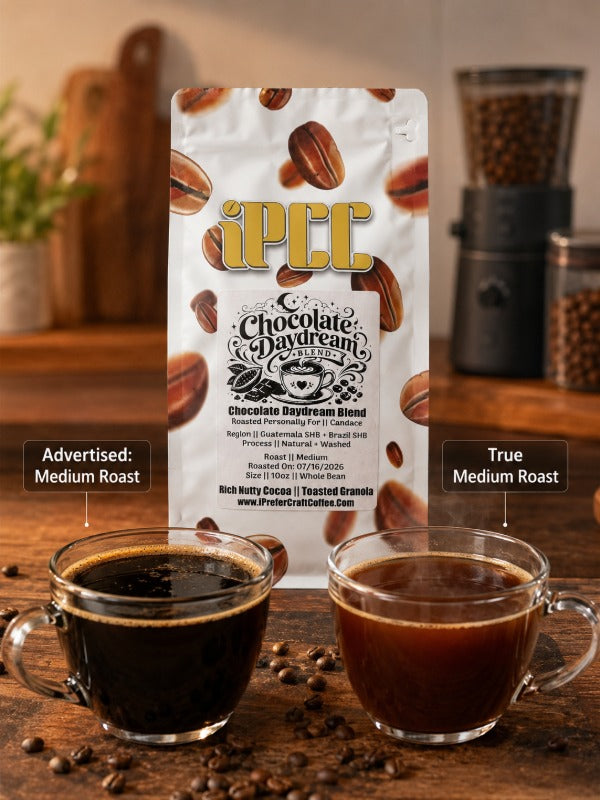
This article shares a customer story about switching from a local roaster that consistently over-roasted its coffee to hide flaws, to the best craft coffee online roasted to order at the true, advertised roast level, and explains how home coffee lovers can spot over-roasting and find a roaster who actually listens to their taste.