What is Swiss Water Processed Decaf Coffee?
The Decaf Dilemma: A Tale of Two Processes
Once upon a time, in a bustling coffee shop nestled in the heart of the city, two friends sat down for their daily caffeine fix. But there was a twist—while one craved the bold flavors of regular coffee, the other opted for decaf. Little did they know, their choices would lead them on a journey through the mysterious world of decaffeination processes.
Meet Sarah and Alex, two coffee aficionados with vastly different tastes. Sarah, a self-proclaimed coffee connoisseur, couldn't start her day without a steaming cup of the freshest craft coffee online, while Alex, her caffeine-conscious companion, preferred the smooth richness of decaf.
As they settled into their favorite corner booth, Sarah couldn't help but notice the puzzled expression on Alex's face as he sipped his decaf brew. Sensing his confusion, she decided to shed some light on the matter.
"You know, Alex," Sarah began, "there are two main methods for decaffeinating coffee: Swiss Water Process and ethyl acetate. Each has its own quirks and benefits."
Intrigued, Alex leaned in, eager to learn more about the mysterious world of decaf coffee.
"Let's start with Swiss Water Process," Sarah continued. "This method is like a gentle spa treatment for coffee beans. It begins with a batch of high-quality, green coffee beans that are soaked in pure, clean water. During this soaking process, the caffeine is gradually extracted, leaving behind the rich flavors and aroma of the coffee."
Alex nodded, taking in the information. "So, what sets Swiss Water Process apart from ethyl acetate?" he asked.
"Well, unlike ethyl acetate, which is a chemical solvent, Swiss Water Process relies solely on water and osmosis to remove caffeine," Sarah explained. "This means that Swiss Water Process decaf coffee retains more of the natural flavors and characteristics of the original beans, resulting in a cup that tastes remarkably similar to regular coffee."
Alex's eyes lit up with newfound understanding. "So, Swiss Water Process decaf coffee is not only better for preserving flavor, but it's also a more natural and environmentally friendly option," he summarized.
Sarah nodded, a satisfied smile playing on her lips. "Exactly! So, the next time you're craving a cup of decaf, remember to look for Swiss Water Process—it's the gold standard for best tasting craft coffee online without the caffeine."
As they toasted to their newfound knowledge, Sarah and Alex marveled at the wonders of the coffee world, where even decaf could be a delicious adventure.
Also in Best Coffee To Buy Online Education
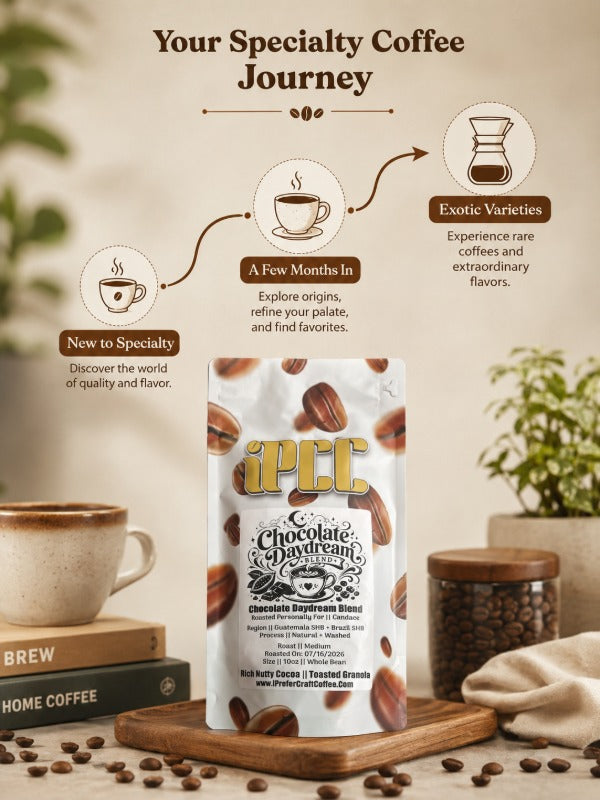

Medium Roast Specialty Coffee: Best Picks by Palate
This article explains how to choose medium roast specialty coffee based on experience level, why natural processed, low-acidity blends from South and Central America suit beginners, and how home coffee lovers can work toward more nuanced, exotic single origins like Geisha or Mokka as their palate develops.
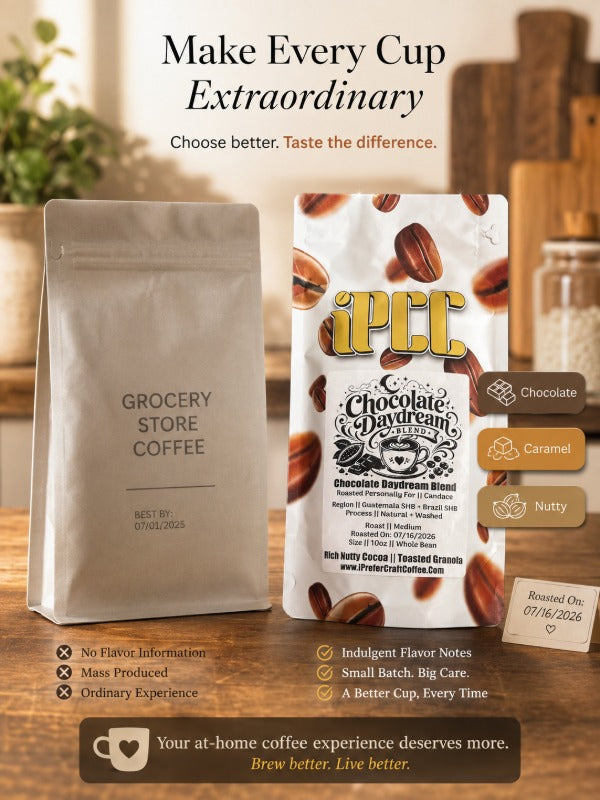

Cafe-Level Coffee at Home: Beans, Not Big Coffee Lies
This article explains why cafe-level coffee at home depends on the quality and freshness of the beans rather than brewing equipment, and shows beginner home coffee lovers how to choose smoother, less bitter specialty coffee by matching it to familiar flavors like chocolate, caramel, and nuts.
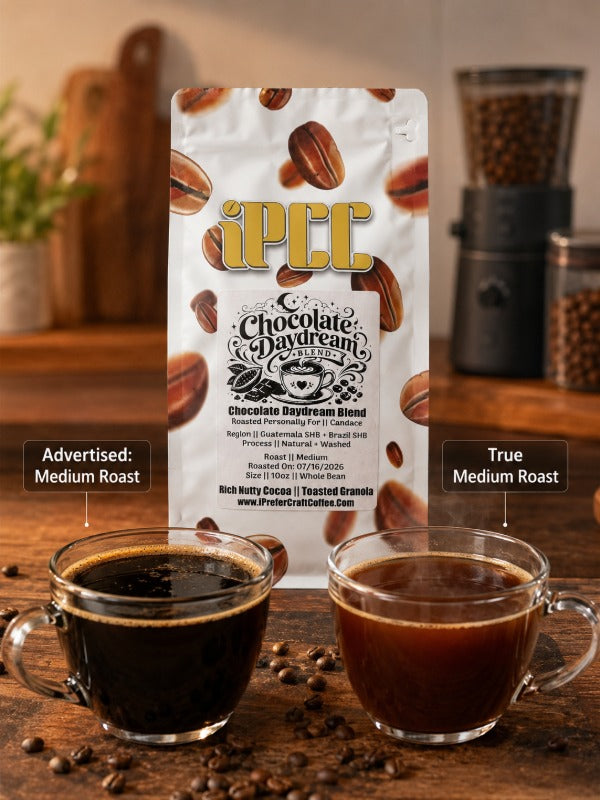

Best Craft Coffee Online: Roasted How You Actually Want
This article shares a customer story about switching from a local roaster that consistently over-roasted its coffee to hide flaws, to the best craft coffee online roasted to order at the true, advertised roast level, and explains how home coffee lovers can spot over-roasting and find a roaster who actually listens to their taste.