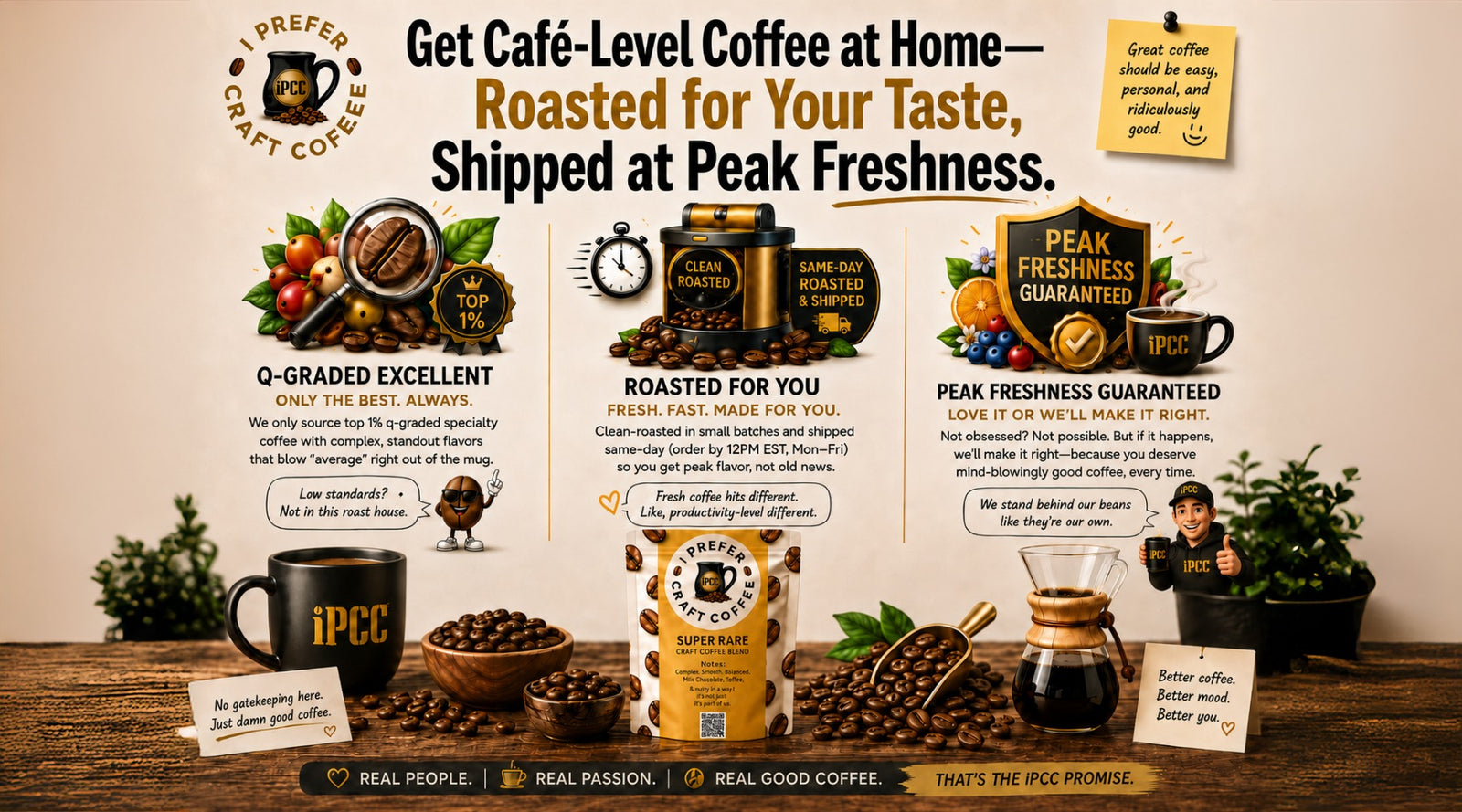
Better Coffee Starts With Better Beans
Better Coffee Starts With Better Beans: Why Your Coffee Tastes Bitter, Flat, or Like Hot Cardboard Water
Better coffee starts with better beans. Learn why stale beans taste bitter, flat, or like hot cardboard water—and how fresh roast-date coffee fixes it.
I used to think better coffee started with better gear.
A fancier brewer. A shinier grinder. A scale that looked like it belonged in a science lab.
But Better Coffee Starts With Better Beans. Not a $400 machine. Not a 19-step morning ritual. Not a tiny kettle that makes you feel judged.
If your beans are old, stale, low-quality, oily, or roasted for a warehouse shelf, your coffee will taste flat, dull, bitter, and weirdly dry no matter how you brew it.
The promise is simple: by the end of this guide, you will know how to choose fresher, smoother coffee so you can brew café-level cups at home without becoming a part-time barista.
Why Most Home Coffee Tastes Bad

Most home coffee lovers blame the machine first.
I get it. It feels logical.
If the coffee tastes bitter, the brewer must be broken. If the cup tastes weak, the grinder must be bad. If the coffee tastes like hot cardboard water, clearly the kitchen has been cursed.
But most of the time, the real problem is the beans.
Here is the truth: you cannot brew magic with old coffee. You can only extract what is inside the bean. If the bean is stale, low-grade, baked, scorched, or sitting on a shelf for months, there is no secret trick that brings it back to life.
That is why fresh, high-scoring, clean-roasted specialty coffee wins.
It gives your brewer better raw material.
Think of it like cooking.
Fresh ingredients make better food. Fresh coffee beans make better coffee. Wild concept, I know.
If you want a deeper buying guide, start with my Best Guide To Buy Great Coffee. It breaks down what to look for before you waste money on another bag that smells better than it tastes.
What Better Beans Actually Fix
Better beans can fix a lot fast.
Not everything. I will not pretend one bag of coffee can solve your taxes, inbox, or weird back pain.
But better beans can help you get:
-
Smoother coffee.
-
More sweetness.
-
Less bitterness.
-
Less dry, mouth-puckering astringency.
-
Better aroma.
-
More flavor from the same brewer.
-
A cup that tastes fresh instead of flat.
This is why people searching for the best tasting coffee at home usually do not need to start with new gear.
They need coffee beans roasted to order, a roast date, better storage, and a simple match between the coffee and how they like to drink it.
That is the path to how to get café quality coffee at home without making your kitchen look like a tiny airport coffee lab.
For a full starting point, you can also use my Best Tasting Coffee at Home guide.
How To Choose Better Coffee Beans For Home In 7 Simple Steps
1. Start With the Roast Date
Look for coffee beans with roast date, not just a “best by” date.
A best-by date tells you when the coffee might expire.
A roast date tells you when the coffee was actually roasted.
Big difference.
For most home brewers, coffee tastes best after a short rest and within a fresh window. A simple rule:
-
2–14 days after roast: peak flavor zone for many coffees.
-
15–30 days: still good if stored well.
-
After 30 days: flavor often starts to fade faster.
-
Months old: welcome to cardboard city.
This is one reason I built I Prefer Craft Coffee around fresh roasted coffee beans online and specialty coffee delivered fresh. You can learn more here: Fresh Roasted Coffee Beans Online.
2. Match the Coffee to the Cup You Actually Want
Do not pick coffee based on what sounds fancy.
Pick it based on what you want your morning to taste like.
Use this simple decision rule:
If you want smooth, balanced, low-acidity coffee, start with Washed Guatemala Coffee. It is a great fit for home coffee lovers looking for low acidity coffee beans that taste good and best coffee beans for smooth coffee.
If you want espresso that does not taste like burned toast, start with Espresso Blend. Espresso does not have to mean dark, smoky, and angry.
If you want classic daily breakfast coffee, start with Deli Donut Blend. This is the “I just want really good coffee that tastes like coffee” choice.
If you want rare, floral, fruit-forward coffee, try Peruvian Geisha. This is for the person who wants something special without needing a flavor wheel tattoo.
If you want cold brew that is easy, use the Fast & Easy Cold Brew Kit. No messy straining. No cold brew crime scene on your counter.
3. Choose Fresh Specialty Over Warehouse Specialty
Not all “specialty coffee” feels fresh when it gets to your kitchen.
Some coffee is roasted, packed, stored, shipped, restocked, moved around, and then finally bought weeks or months later.
That is not always bad.
But it is not the same as coffee roasted for you.
Here is the simple difference.

| Category | Fresh Specialty | Warehouse Specialty |
|---|---|---|
| Freshness signal | Roast date on the bag | Often only a best-by date |
| Flavor | Brighter, sweeter, cleaner | Flatter, duller, sometimes bitter |
| Aroma | Stronger and fresher | Fades faster |
| Buying experience | Roasted closer to your order | Roasted for inventory |
| Best for | Home brewers who want better flavor fast | Convenience shopping |
| Risk | You may need to pick a style | You may buy stale coffee without knowing |
| Taste clarity | More origin and roast character | More muted flavor |
| Trust factor | You know when it was roasted | You guess based on packaging |
This is why fresh coffee beans vs grocery store coffee is not just coffee snob talk.
It is a real taste difference.
If you want help choosing and shipping fresh coffee fast, use my Guide To Fast & Easy Coffee Delivery or the Best Coffee Bean Delivery page.
4. Pick the Roast Level Based on Your Taste, Not Someone Else’s Ego
Coffee gets weird when people turn roast level into a personality test.
Light roast does not make you smarter.
Dark roast does not make you tougher.
Medium roast does not make you boring.
You just like what you like.
Use this:
-
Light roast: more fruit, florals, brightness, and origin flavor.
-
Medium roast: balanced sweetness, body, chocolate, nuts, fruit, and smoothness.
-
Full City+ / medium-dark: more body, deeper sweetness, chocolate, roast warmth.
-
Dark roast: bold, roasty, heavy, and less origin-forward.
If you keep asking, “why does my coffee taste bitter at home?” and you are buying dark, oily beans from a shelf, try a fresher medium roast first.
That one change can make your coffee taste smoother without changing your brewer.
5. Use the Right Bean for Your Brew Method
Your brew method matters.
But it cannot save bad beans.
Use this quick guide:
Drip coffee maker: Choose medium roast or smooth washed coffees. For many people, the Washed Guatemala Coffee is one of the best coffee beans for drip coffee makers because it is balanced and easy to enjoy.
Espresso machine: Use a coffee with body and sweetness. Espresso Blend is built for this.
French press: Choose a coffee with body. Deli Donut Blend works well if you want a cozy, classic cup.
Pour over: Use fresh single origins when you want more detail. Peruvian Geisha is a fun choice here.
Cold brew: Use coarse coffee and time. The Fast & Easy Cold Brew Kit keeps it simple.
For brew ratios and simple recipes, use my Best Home Coffee Recipes.
6. Store Your Beans Like You Want Them To Stay Fresh
Coffee hates 4 things:
Air. Heat. Light. Moisture.
Do not store coffee above the stove.
Do not store it in the fridge.
Do not leave the bag open like it is a bag of chips at a football party.
Keep it sealed in the original valve bag or an airtight container. Store it in a cool, dry cabinet.
Then use it while it is still fresh.
This is one of the easiest ways to make coffee that is not bitter taste even better.
7. Make One Change Before You Buy More Gear
Before you buy another machine, do this:
Buy fresh beans with a roast date.
Brew them the same way you normally brew.
Then compare.
Same brewer. Same water. Same mug. Different beans.
That test tells you a lot.
If the cup gets smoother, sweeter, and cleaner, the problem was not your machine.
It was the beans.
That is the core idea behind how to brew better coffee without expensive equipment.
Better beans first. Gear second.
The Simple “If X, Then Y” Coffee Decision Rules
Use these when you feel stuck.
If your coffee tastes bitter, try fresher beans, a lighter roast, or a slightly coarser grind.
If your coffee tastes sour, grind a little finer or use slightly hotter water.
If your coffee tastes weak, use more coffee or a little less water.
If your coffee tastes flat, check the roast date.
If your coffee tastes dry and mouth-puckering, it may be astringent, not acidic. Try a smoother coffee like Washed Guatemala Coffee.
If you want easy daily coffee, choose Deli Donut Blend.
If you want better espresso, choose Espresso Blend.
If you want something rare and special, choose Peruvian Geisha.
If you want iced coffee without the mess, choose the Fast & Easy Cold Brew Kit.
Why Fresh, High-Scoring, Clean-Roasted Specialty Coffee Wins
Roast Date Beats Best-By Date
A roast date gives you the truth.
A best-by date gives you a countdown with no starting point.
When you buy fresh coffee, you know when the flavor clock started.
That matters because coffee is an agricultural product. It changes after roasting. The aromatics fade. The sweetness drops. The cup gets flatter.
That is why coffee beans roasted to order usually taste more alive than coffee roasted for a warehouse shelf.
High-Scoring Beans Give You More To Work With
Better green coffee gives you better flavor potential.
You still have to roast it well.
But high-quality beans can give you more sweetness, more balance, more aroma, and a cleaner finish.
That is why people looking for the best specialty coffee online, best craft coffee online, or best whole bean coffee for home brewing should care about quality before packaging.
Pretty bags are nice.
Fresh, clean, high-quality beans are better.
You can learn more on my Best Specialty Coffee Online and About My Roastery pages.
Clean Roasting Helps the Coffee Taste Like the Bean
Clean roasting means the goal is not to burn flavor into the bean.
The goal is to bring out what is already there.
A well-roasted coffee should taste smooth, sweet, and clear. It should not taste like ash, rubber, or regret.
I roast to bring out flavor, not hide old beans under smoke.
That is a big reason better beans matter so much.
Single Origin vs Blends: Which One Should You Buy?
Here is the simple version.
Single origin coffee comes from one region, farm, producer, or lot. It is best when you want to taste something more specific. Fruit notes. Florals. Honey. Chocolate. Citrus. Fun stuff.
Blends combine coffees to create a steady flavor goal. They are great for daily brewing, espresso, breakfast coffee, and people who want less guessing.
Pick single origin when you want an experience.
Pick a blend when you want consistency.
For example, Peruvian Geisha is a great single origin when you want something rare and expressive.
Deli Donut Blend is a better fit when you want a dependable morning cup.
Neither is “better” for everyone.
The better choice is the one you will enjoy drinking tomorrow morning.
3 Specialty Coffee Tips Most Beginners Are Not Told
Tip 1: “Acidic” Does Not Always Mean Sour
Good acidity can taste like fruit, brightness, or sparkle.
Bad sourness tastes sharp and unfinished.
Many people new to specialty coffee confuse astringent bitterness with acidity. If your mouth feels dry after each sip, that is often astringency.
Try smoother coffees first if you are new.
That is why Washed Guatemala Coffee is a smart starting point for the best coffee for people who hate bitter coffee.
Tip 2: Grind Size Can Make Fresh Beans Shine or Suffer
Fresh beans still need a decent grind.
Too fine can taste bitter.
Too coarse can taste sour or weak.
Start with medium grind for drip coffee. Start medium-fine for pour over. Start coarse for cold brew.
Then adjust one notch at a time.
Do not change 5 things at once unless you enjoy chaos.
Tip 3: Your “Coffee Problem” May Be a Matching Problem
You may not hate specialty coffee.
You may have picked the wrong coffee for your taste.
A bright natural Ethiopia might be fun for one person and way too fruity for another.
A dark roast might be bold to one person and burnt to another.
This is why specialty coffee explained simply matters. You do not need fancy words. You need a better match.
For beginners who want help, a Best Craft Coffee Subscription or best coffee subscription for beginners should make choosing easier, not more confusing.
How To Make Coffee Taste Better at Home Without New Gear
Here is the fast version.
-
Buy fresh coffee with a roast date.
-
Pick the right coffee for your taste.
-
Use filtered water.
-
Grind close to brewing if possible.
-
Use a simple ratio like 1:16.
-
Store the bag sealed.
-
Change one thing at a time.
For a 12 oz cup, start around:
-
22 grams coffee
-
355 grams water
-
195–205°F water
-
Medium grind for drip
-
Medium-fine for pour over
You do not need to be fancy.
You need to be consistent.
That is how to make coffee taste better at home without going broke or turning your counter into a gadget museum.
Best Starting Coffees by Taste Goal

Here is where I would start if you are tired of guessing.
For Smooth, Low-Bitterness Coffee
Choose Washed Guatemala Coffee.
Best for:
-
Smooth daily cups.
-
Low-acidity coffee lovers.
-
Drip coffee makers.
-
People who want clean flavor without sharpness.
For Espresso at Home
Choose Espresso Blend.
Best for:
-
Espresso machines.
-
Milk drinks.
-
Richer cups.
-
People who want body and sweetness.
For Classic Breakfast Coffee
Choose Deli Donut Blend.
Best for:
-
Daily morning coffee.
-
Drip brewers.
-
Cream and sugar drinkers.
-
People who want coffee that tastes like better coffee, not a science project.
For Rare Specialty Coffee
Choose Peruvian Geisha.
Best for:
-
Pour over.
-
Slow weekend cups.
-
Fruit and floral notes.
-
People who want to taste what specialty coffee can really do.
For Easy Cold Brew
Choose the Fast & Easy Cold Brew Kit.
Best for:
-
Iced coffee.
-
Busy mornings.
-
No-strain cold brew.
-
People who want smooth cold coffee without a messy setup.
The Real Takeaway
Better coffee does not start with a more expensive machine.
It starts with better beans.
Fresh beans. Clean beans. High-quality beans. Beans roasted with a real roast date.
That is the shortest path to better coffee at home.
You can upgrade your gear later.
First, stop feeding stale beans to your brewer and expecting a miracle.
That poor machine is doing its best.
FAQs For Brewing The Best Specialty Coffee For Home
1. Why does better coffee start with better beans?
Better coffee starts with better beans because the brewer can only extract what is inside the coffee. If the beans are stale, low-quality, or roasted for long shelf life, the cup will usually taste flat, bitter, or dull.
2. Do expensive coffee makers make better coffee?
Expensive coffee makers can help with consistency, but they cannot fix old or low-quality beans. Fresh coffee beans with a roast date usually make a bigger first improvement than buying new gear.
3. What are the best coffee beans for smooth coffee?
The best coffee beans for smooth coffee are fresh, clean-roasted beans with balanced sweetness and low bitterness. A smooth washed coffee like Washed Guatemala is a great place to start.
4. What is the difference between fresh coffee beans vs grocery store coffee?
Fresh coffee beans usually include a roast date and are roasted closer to when you buy them. Grocery store coffee often uses a best-by date and may sit longer before it reaches your kitchen.
5. How do I make coffee taste better at home?
To make coffee taste better at home, start with fresh roasted coffee beans, use filtered water, grind close to brewing, store the beans sealed, and use a simple coffee-to-water ratio like 1:16.
6. What is the best coffee for people new to specialty coffee?
The best coffee for people new to specialty coffee is usually a smooth, balanced blend or washed single origin. Start with something easy to enjoy, then try brighter or rarer coffees once you know what you like.
Suggested Image Placements
Image 1: Hero Setup
Placement: Under the intro, before “Proof”
Image idea: Fresh coffee bag beside a clean mug, simple home brewer, and whole beans on a bright kitchen counter.
Alt text: better coffee starts with better beans for café quality coffee at home
Image 2: Fresh Beans vs Warehouse Beans
Placement: Inside “Fresh Specialty Over Warehouse Specialty” before the comparison table
Image idea: Fresh roast-date coffee bag next to a vague best-by grocery-style coffee bag, with two brewed cups beside each.
Alt text: fresh coffee beans vs grocery store coffee with roast date and best by date
Image 3: Coffee Decision Visual
Placement: Above “Best Starting Coffees by Taste Goal”
Image idea: Five coffee options arranged by taste goal: smooth, espresso, breakfast, rare specialty, and cold brew.
Alt text: best coffee beans for smooth coffee espresso breakfast rare specialty and cold brew at home
PS: Bonus Tip
PS: Before you change your brewer, change your beans. Then use one simple recipe from Best Home Coffee Recipes and compare the cup. Same machine. Better beans. Much better morning.
Also in Best Coffee To Buy Online Education
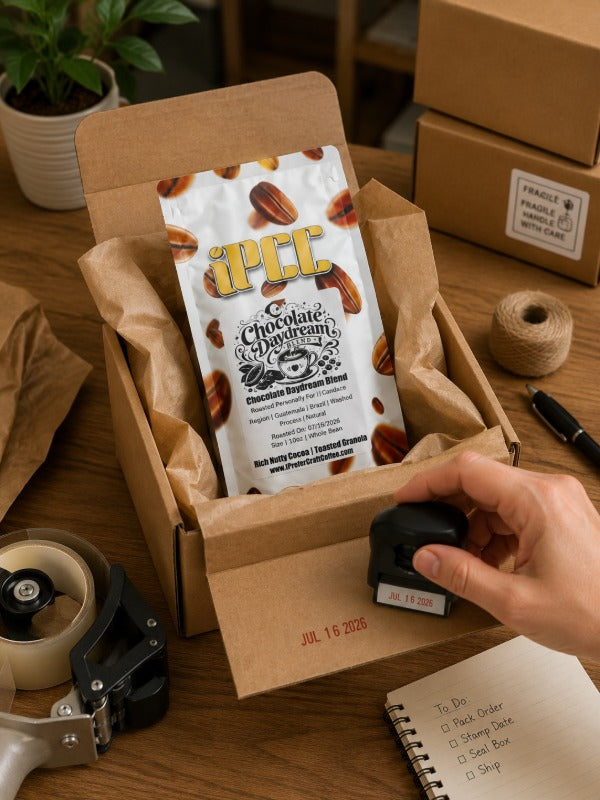

Best Coffee Bean Delivery: Why Fast Isn't Enough
This article explains what makes the best coffee bean delivery, arguing that shipping speed alone is meaningless without coffee beans roasted to order, a clear shipping cutoff, and real human customer support during delays, and offers a practical checklist for evaluating any roaster's delivery promise.
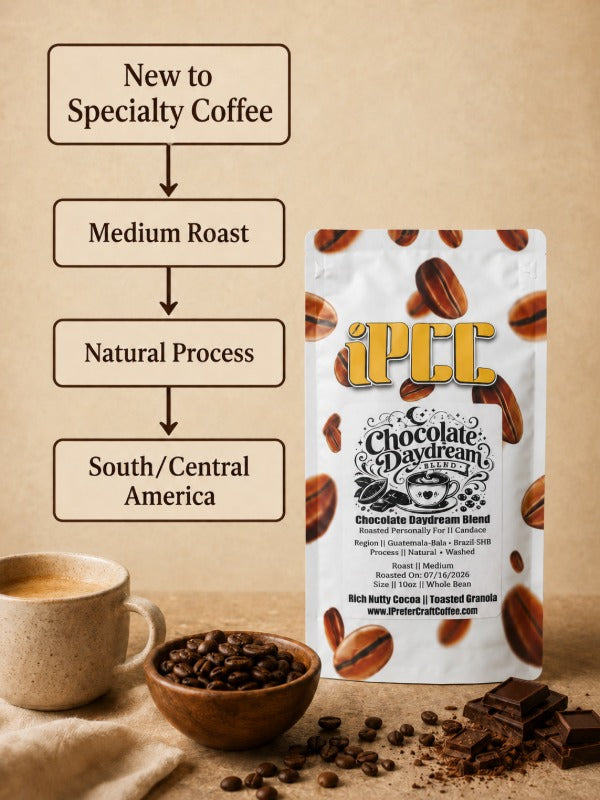

Best Tasting Coffee at Home: Where to Start
This article addresses the best tasting coffee at home as a genuinely subjective question, recommending a balanced, naturally processed medium roast from South or Central America as a starting point, and offering a simple tasting and note-taking method for home coffee lovers to discover their own preferences over time.
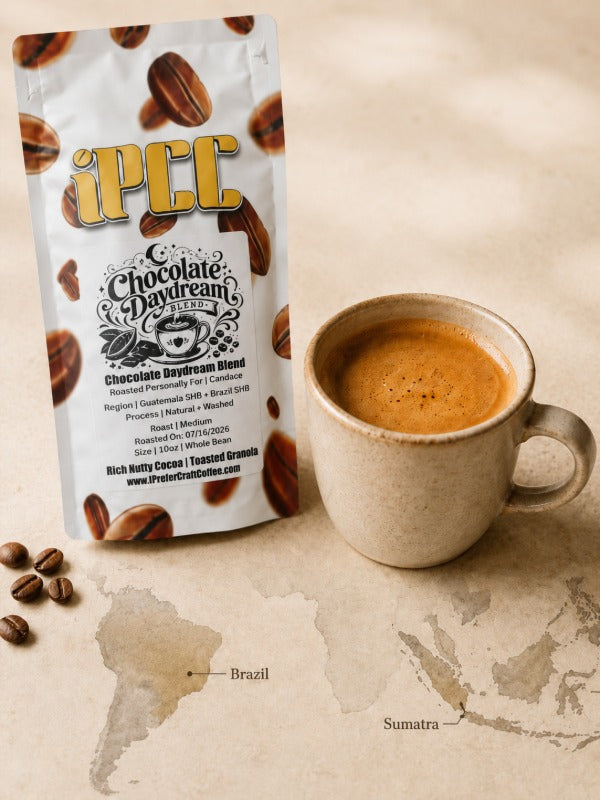

Low Acidity Coffee Beans That Taste Good at Home
This article identifies low acidity coffee beans that taste good, explaining how roast level, processing method, origin, and brew method like cold brew genuinely reduce acidity, and helps coffee drinkers avoid mass-market "gentle" coffee that sacrifices flavor for a low-acid claim.