How To Brew Better Coffee Without Expensive Equipment
How To Brew Better Coffee Without Expensive Equipment
Learn how to brew better coffee without expensive equipment. Get smoother, fresher, café-level coffee at home with roast-to-order beans.
I used to think better coffee meant better gear.
A fancier grinder. A shinier brewer. A machine with more buttons than my car.
But here is the truth: most bitter home coffee is not an equipment problem. It is a bean problem.
If you want to know How To Brew Better Coffee Without Expensive Equipment, start here: change nothing else and use fresh, high-scoring specialty coffee. Your cup can taste smoother, sweeter, cleaner, and way less like hot cardboard water.
You can upgrade your gear later. First, stop feeding old grocery beans to your coffee maker and expecting a miracle.
Why Better Coffee Starts Before You Brew

Most people ask, “Do expensive coffee makers make better coffee?”
Sometimes, yes.
But not if the beans are old, stale, oily, flat, or roasted for a warehouse shelf.
A $300 brewer cannot save dead beans. That is like putting gas station hot dogs on a fancy wedding plate. Still sad. Just shinier.
The fastest way to make the best tasting coffee at home is to start with better coffee beans. Fresh coffee beans. High-scoring specialty coffee. Coffee beans with roast date information, not vague “best by” guessing.
At I Prefer Craft Coffee, I roast coffee to order for people who want café-level coffee at home without the snobby stuff. You do not need to become a barista. You just need better beans and a simple plan.
For a deeper buying breakdown, start with my Best Guide To Buy Great Coffee.
What This Guide Will Help You Do
By the end of this guide, you will know how to:
-
Brew smoother coffee at home without buying expensive equipment.
-
Pick coffee that is not bitter.
-
Choose the right roast for your taste.
-
Understand fresh coffee beans vs grocery store coffee.
-
Know when to buy blends, single origins, espresso beans, or cold brew kits.
-
Make better coffee using the brewer you already own.
No gear rabbit hole.
No flavor wheel homework.
No pretending you taste “sun-dried mango whispers” before 7 a.m.
Just better coffee. Fast and easy.
How To Brew Better Coffee Without Expensive Equipment
1. Start With Fresh Coffee Beans First
If you only change one thing, change the beans.
Look for coffee beans roasted to order or recently roasted coffee with a clear roast date. Fresh coffee holds more aroma, sweetness, and flavor. Old coffee tastes flat, bitter, woody, or like the inside of a cardboard box that gave up on life.
Good rule:
If the bag has a roast date, you know when the clock started. If it only has a best-by date, you are guessing.
For fresh options, you can browse my Fresh Roasted Coffee Beans Online page.
2. Pick The Right Coffee For Your Taste
Do not start with the fanciest coffee. Start with the coffee that matches what you like.
Use this simple decision rule:
-
If you want smooth, balanced, low-bitterness coffee, try Washed Guatemala Coffee.
-
If you want rich espresso or bold milk drinks, try Espresso Blend.
-
If you want an easy daily morning cup, try Deli Donut Blend.
-
If you want rare, floral, fruit-forward coffee, try Peruvian Geisha.
-
If you want smooth cold coffee without the mess, try the Fast & Easy Cold Brew Kit.
That is how to get café quality coffee at home without making coffee feel like a science fair.
3. Use The Brewer You Already Own
You do not need a new machine today.
Use what you have:
-
Drip coffee maker
-
French press
-
Pour over
-
AeroPress
-
Espresso machine
-
Cold brew jar
-
Single-serve brewer
The brewer matters. But the beans matter more.
If your coffee tastes bitter at home, do not blame the machine first. Ask this:
Are my beans fresh? Are they good beans? Are they roasted for flavor, not shelf life?
That question fixes more cups than most gear upgrades.
4. Use A Simple Coffee Ratio
You do not need a lab coat. Use this:
1 gram of coffee for every 16 grams of water.
Easy version:
-
20 grams coffee
-
320 grams water
No scale? Use this simple start:
-
2 level tablespoons of whole bean coffee per 6 ounces of water
Then adjust.
If it tastes weak, use more coffee.
If it tastes too strong, use more water.
If it tastes bitter, grind coarser or use slightly cooler water.
If it tastes sour, grind finer or use hotter water.
Simple. Not scary.
5. Grind Fresh When You Can
Whole bean coffee keeps flavor longer.
Grinding right before brewing gives you more aroma and better taste. This is one reason the best whole bean coffee for home brewing usually beats pre-ground coffee.
But here is the truth: if you do not own a grinder yet, do not panic.
Freshly roasted ground coffee is still better than old grocery store coffee.
Better beans first. Gear later.
6. Use Filtered Water
Coffee is mostly water.
If your water tastes weird, your coffee will taste weird.
Use filtered water if you can. It does not need to be expensive. A basic filter pitcher can help.
If your cup tastes dull, harsh, or minerally, check the water before you blame the beans.
7. Store Coffee Like Food, Not Like Decoration
Keep coffee away from:
-
Air
-
Heat
-
Light
-
Moisture
Store it in the resealable bag it came in. Keep it in a cool, dark cabinet.
Do not store it above the oven. That is where freshness goes to become sad.
Do not freeze and thaw the same bag every day either. Condensation can hurt flavor.
8. Buy Enough For 2 To 4 Weeks
Fresh coffee is best when you use it while it is still fresh.
A good buying rule:
Buy what you can drink in 2 to 4 weeks.
That is why specialty coffee delivered fresh works so well for home coffee lovers. You get fresh coffee without guessing how long it sat on a shelf.
For fast delivery options, see my Guide To Fast & Easy Coffee Delivery.
Fresh Specialty vs Warehouse Specialty

| Feature | Fresh Specialty | Warehouse Specialty |
|---|---|---|
| Roast date | Clear roast date on the bag | Often hidden or replaced with best-by date |
| Flavor | Sweeter, smoother, more alive | Flat, stale, bitter, or dull |
| Buying experience | Easier to match to your taste | Lots of labels, little guidance |
| Freshness | Roasted close to when you order | May sit in storage for weeks or months |
| Best for | Home coffee lovers who want better mornings | People who just need caffeine |
| Risk | You may need help picking the right coffee | You may waste money on stale beans |
| Result | Better coffee without new gear | Same brewer, same bitter problem |
| Trust signal | Coffee beans with roast date | Mystery freshness |
This is the real difference between fresh coffee beans vs grocery store coffee.
Grocery coffee can be convenient. But convenience is not the same as freshness.
Freshness And Buying Guidance
Roast-Date Beats Best-By Every Time
A roast date tells you when the coffee was roasted.
A best-by date tells you when someone thinks it may still be “fine.”
Fine is not the goal.
You want coffee that makes you pause after the first sip and think, “Oh wow. This is way better.”
That starts with coffee beans with roast date information.
For more help choosing fresh coffee online, see Best Coffee Bean Delivery.
Choose Your Roast By Flavor, Not Ego
Light roast is not “better.”
Dark roast is not “bad.”
The right roast depends on what you like.
Use this:
-
Light roast: brighter, fruitier, more complex
-
Medium roast: smooth, sweet, balanced
-
Full City+ roast: deeper, richer, great for espresso
-
Dark roast: bold, roasty, heavy
If you want best coffee beans for smooth coffee, start with a medium roast or balanced blend.
If you want low acidity coffee beans that taste good, try something smooth and balanced like Washed Guatemala Coffee.
If you want bold espresso, try Espresso Blend.
Single Origin vs Blends
Single origin coffee comes from one place. It can show unique flavor from a farm, region, or process.
Blends combine coffees to create a steady flavor goal.
Here is the simple version:
-
Choose a blend if you want easy daily coffee.
-
Choose a single origin if you want something more unique.
-
Choose a rare coffee if you want a special cup.
For a daily cup, Deli Donut Blend is built for easy mornings.
For a special cup, Peruvian Geisha is for the person who wants something floral, sweet, and different.
Clean-Roasted Specialty Coffee Wins
Fresh, high-scoring clean-roasted specialty coffee gives you a better starting point.
That means better green coffee, better roasting, and better freshness.
I use clean hot air roasting because it helps bring out clarity, sweetness, and smoothness. It also cools the coffee fast, which helps protect the final flavor.
You can learn more on About My Roastery.
3 Specialty Tips Most Beginners Miss
Tip 1: Let Fresh Coffee Rest A Little
Coffee can taste best after it rests a few days from roast.
A good window is often 2 to 14 days after roast for many coffees.
That does not mean it dies on day 15. It means flavor often peaks after the coffee has had time to settle.
Tip 2: Match The Coffee To The Brew Method
For drip coffee makers, smooth blends and balanced single origins work great.
That is why the best coffee beans for drip coffee makers are often medium roast coffees with chocolate, nutty, caramel, or gentle fruit notes.
For espresso, use a coffee that can handle pressure and still taste sweet.
For cold brew, use a coffee that gives you sweetness without harshness. The Fast & Easy Cold Brew Kit makes that easy because you steep the pouch, remove it, and drink better cold brew without straining sludge.
Tip 3: Stop Buying Coffee For Who You Wish You Were
Do not buy coffee to impress imaginary coffee people.
Buy coffee for your actual mouth.
If you like smooth coffee, buy smooth coffee.
If you like classic breakfast coffee, buy classic breakfast coffee.
If you like rare fruity coffee, buy rare fruity coffee.
That is how specialty coffee explained simply should work.
What Coffee Should You Start With?

Here is my simple guide.
For Smooth Coffee That Is Not Bitter
This is a strong fit if you are searching for coffee that is not bitter, best coffee for people who hate bitter coffee, or low acidity coffee beans that taste good.
For Espresso At Home
Try Espresso Blend.
This is a good pick if you want rich shots, cappuccinos, lattes, or bold coffee that still tastes clean.
For Easy Daily Morning Coffee
Try Deli Donut Blend.
This is the coffee for people who want coffee to taste like coffee, but better. Smooth, familiar, comforting, and easy to love.
For Rare Specialty Coffee
Try Peruvian Geisha.
This is a better fit if you want something special, floral, sweet, and more complex.
For Cold Brew At Home
Try the Fast & Easy Cold Brew Kit.
This is for people who want cold brew without buying another gadget or playing “find the coffee sludge” at 6 a.m.
What If You Want Coffee Picked For You?
If you want fresh coffee without guessing, look at the Best Craft Coffee Subscription.
A good coffee subscription for home should make life easier, not more confusing.
The best coffee subscription for beginners should help you find what you like without making you study coffee like a final exam.
You can also explore Best Specialty Coffee Online and Best Tasting Coffee at Home if you want a better starting point.
Fast Brew Rules For Better Coffee At Home
Use these when your cup tastes off.
If Your Coffee Tastes Bitter
Try this:
-
Grind coarser.
-
Use slightly cooler water.
-
Use less coffee.
-
Use fresher beans.
-
Avoid oily, stale grocery beans.
Searchers asking why does my coffee taste bitter at home usually do not need a new machine first. They need fresher coffee and a simple adjustment.
If Your Coffee Tastes Sour
Try this:
-
Grind finer.
-
Use hotter water.
-
Brew a little longer.
-
Use a more developed roast.
If Your Coffee Tastes Weak
Try this:
-
Use more coffee.
-
Use less water.
-
Grind slightly finer.
-
Check if your beans are stale.
If Your Coffee Tastes Flat
Try this:
-
Check the roast date.
-
Open a fresher bag.
-
Use filtered water.
-
Grind fresh if possible.
Better coffee starts with better beans.
That is the whole game.
For more simple brew help, visit Best Home Coffee Recipes.
Final Takeaway
You do not need expensive equipment to brew better coffee at home.
You need fresh, high-scoring specialty coffee.
Start there.
Then use a simple ratio, filtered water, decent storage, and small taste adjustments.
That is how to make coffee taste better at home without turning your kitchen into a tiny coffee laboratory.
Better beans first.
Fancy buttons later.
FAQs For The Best Tasting Specialty Coffee For Home
1. How do I brew better coffee without expensive equipment?
Start with fresh, high-scoring specialty coffee, use filtered water, follow a simple 1:16 coffee-to-water ratio, and adjust grind size based on taste. Better beans usually improve your cup more than buying a new coffee maker first.
2. Why does my coffee taste bitter at home?
Your coffee may taste bitter because the beans are stale, over-roasted, ground too fine, brewed too hot, or extracted too long. Start by using fresh coffee beans with a roast date, then grind a little coarser if the bitterness remains.
3. Do expensive coffee makers make better coffee?
Expensive coffee makers can help with control and consistency, but they cannot fix stale or low-quality beans. Fresh specialty coffee is usually the first upgrade because better coffee starts with better beans.
4. What is the best coffee for people new to specialty coffee?
The best coffee for people new to specialty coffee is usually smooth, balanced, fresh, and easy to brew. A medium roast blend or low-acidity single origin is a smart starting point because it tastes better without feeling strange or too intense.
5. What is the difference between fresh coffee beans and grocery store coffee?
Fresh coffee beans usually have a roast date and more aroma, sweetness, and flavor. Grocery store coffee often uses a best-by date and may sit in storage for a long time, which can make it taste flat, bitter, or stale.
6. What are the best coffee beans for drip coffee makers?
The best coffee beans for drip coffee makers are usually fresh medium roast beans, smooth blends, or balanced single origins. Look for chocolate, nutty, caramel, or gentle fruit notes if you want an easy daily cup.
PS: Free Bonus Tip
PS: Before buying a new brewer, brew your next cup with fresh coffee, filtered water, and a 1:16 ratio. That one test will tell you more than 30 minutes of scrolling coffee gear reviews. For easy next steps, use my Best Home Coffee Recipes.
Also in Best Coffee To Buy Online Education

Best Coffee Bean Delivery: Why Fast Isn't Enough
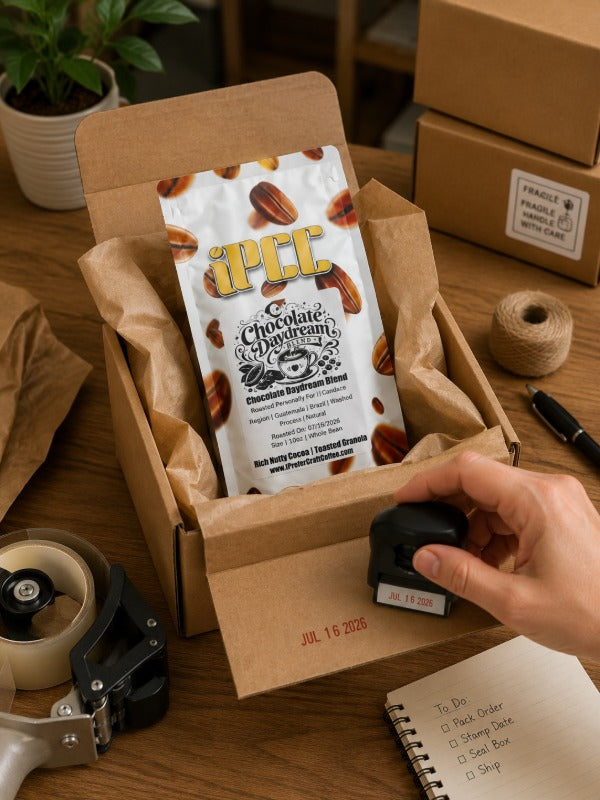
This article explains what makes the best coffee bean delivery, arguing that shipping speed alone is meaningless without coffee beans roasted to order, a clear shipping cutoff, and real human customer support during delays, and offers a practical checklist for evaluating any roaster's delivery promise.

Best Tasting Coffee at Home: Where to Start
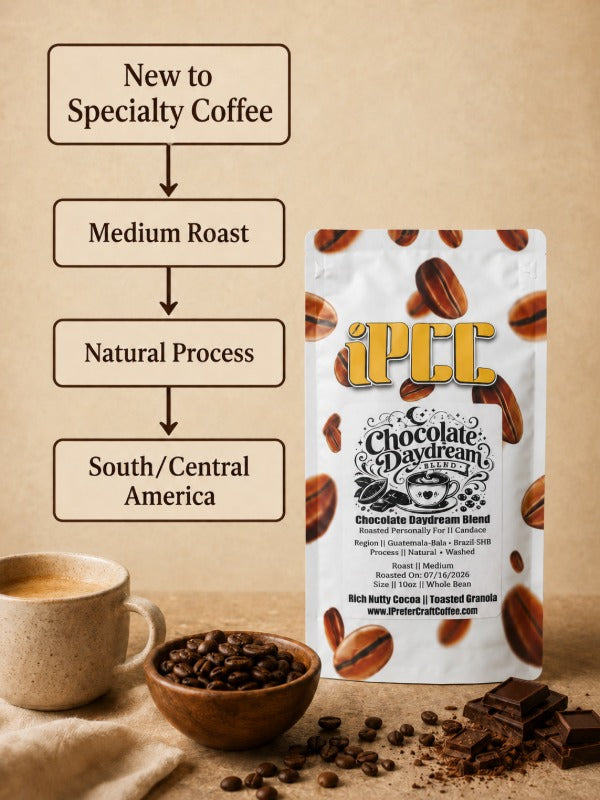
This article addresses the best tasting coffee at home as a genuinely subjective question, recommending a balanced, naturally processed medium roast from South or Central America as a starting point, and offering a simple tasting and note-taking method for home coffee lovers to discover their own preferences over time.

Low Acidity Coffee Beans That Taste Good at Home
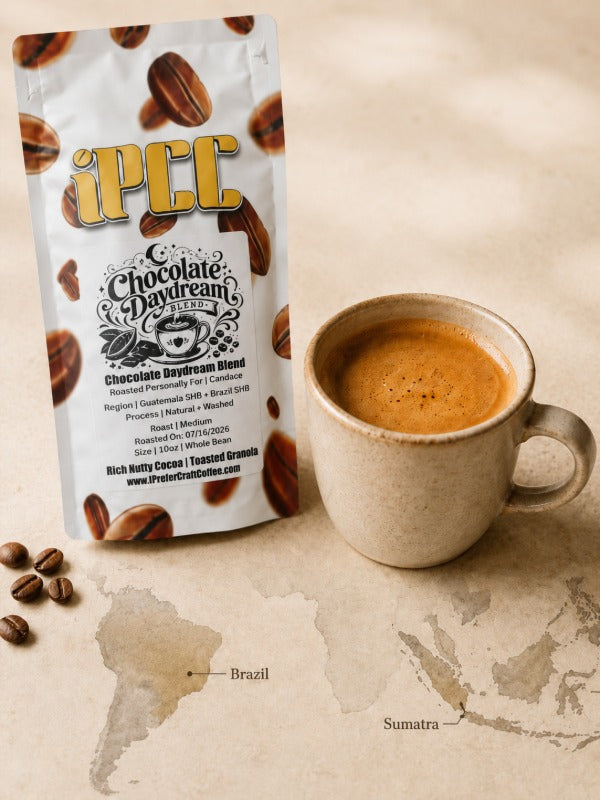
This article identifies low acidity coffee beans that taste good, explaining how roast level, processing method, origin, and brew method like cold brew genuinely reduce acidity, and helps coffee drinkers avoid mass-market "gentle" coffee that sacrifices flavor for a low-acid claim.