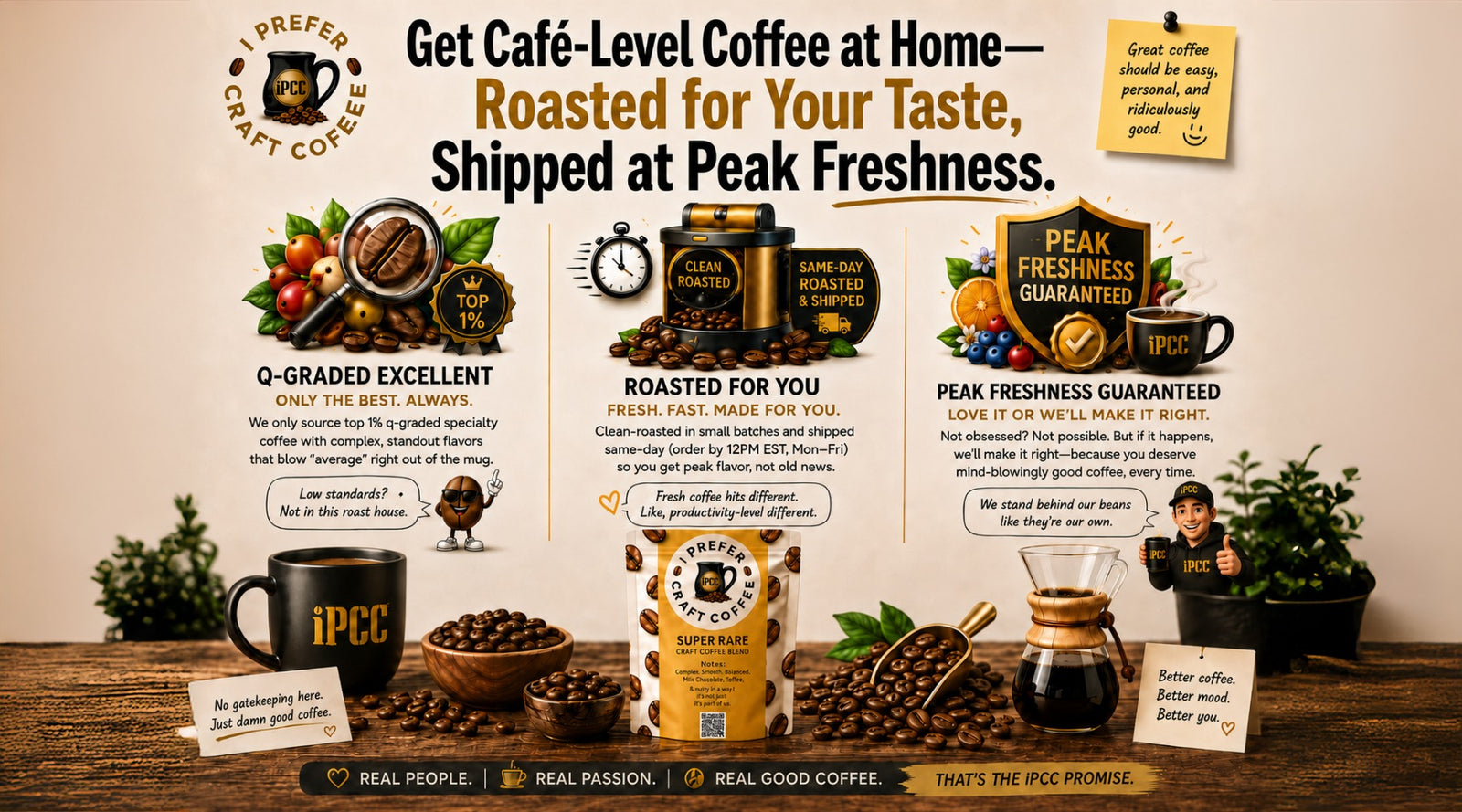
Specialty Coffee Explained Simply: Better Coffee at Home
Specialty Coffee Explained Simply: Brew Smoother Coffee at Home Without the Snob Stuff

Specialty Coffee Explained Simply: brew smoother, fresher café-level coffee at home without snobby terms, bitter beans, or new gear.
Specialty Coffee Explained Simply means this:
Better beans.
Roasted fresh.
Brewed in a way that makes your coffee taste smooth, sweet, and alive.
Not burnt.
Not stale.
Not “hot cardboard water with commitment issues.”
Here is my honest admission: I used to think better coffee meant more gear, more gadgets, and more complicated words. I was wrong. Most home coffee lovers do not need a $900 machine. They need fresher coffee and a simple plan.
This guide will show you how to get café quality coffee at home without becoming a barista, buying new gear, or pretending you know what “bergamot acidity” means before breakfast.
Why Most Home Coffee Tastes Bitter
Most people blame their machine first.
I get it. It feels logical.
Bad coffee? Must be the coffee maker.
Sour coffee? Must be the grinder.
Bitter coffee? Must be the water temperature.
Sad coffee? Must be Monday.
But most of the time, the real problem is the beans.
Old beans make flat coffee. Dark, stale beans make bitter coffee. Pre-ground coffee loses aroma fast. Bags with only a “best by” date do not tell you when the coffee was roasted.
That is why fresh roasted coffee beans online matter so much. Freshness is not a fancy bonus. It is the base layer.
At I Prefer Craft Coffee, I roast coffee to order because better coffee starts with better beans. You can learn more about that on About My Roastery.
What This Guide Will Help You Do
By the end of this guide, you will know how to:
-
Pick specialty coffee without getting lost
-
Avoid stale grocery store coffee
-
Choose between blends and single origins
-
Match coffee to your taste
-
Brew smoother coffee at home
-
Fix bitter, sour, weak, or flat coffee
-
Find coffee that is not bitter
-
Stop buying coffee like it is a mystery box
The goal is simple: help you make the best tasting coffee at home with less guessing.
Not perfect coffee.
Better coffee.
There is a difference. And that difference is what makes mornings a lot less rude.
Specialty Coffee Explained in 7 Simple Steps
1. Start With Fresh Coffee, Not Fancy Gear
Do expensive coffee makers make better coffee?
Sometimes.
But stale beans in a fancy machine still taste stale. That is like putting gas station hot dogs on a silver plate. Still risky.
Look for coffee beans with roast date, not just a “best by” date. A roast date tells you when the coffee was actually roasted. A “best by” date tells you almost nothing useful.
Best simple rule:
-
If the bag has a roast date, good start.
-
If the bag only has a best-by date, be careful.
-
If the bag looks like it has been waiting in a warehouse since the flip phone era, run.
For a deeper buying breakdown, read the Best Guide To Buy Great Coffee.
2. Pick Your Flavor Goal First
Do not start with origin.
Start with what you want your cup to feel like.
Use this simple decision rule:
-
If you want smooth and easy, try Washed Guatemala Coffee.
-
If you want espresso or milk drinks, try Espresso Blend.
-
If you want classic morning coffee, try Deli Donut Blend.
-
If you want rare, floral, and fancy-but-still-fun coffee, try Peruvian Geisha.
-
If you want cold coffee that does not taste like wet bark, try the Fast & Easy Cold Brew Kit.
That is much easier than staring at 47 bags and wondering if “stone fruit” means peach or a decorative rock.
3. Choose the Right Roast Level
Roast level matters, but it does not need to be scary.
Here is the simple version:
-
Light roast: brighter, more fruit, more origin flavor
-
Medium roast: balanced, smooth, sweet, easy daily cup
-
Medium-dark: more chocolate, body, and roast flavor
-
Dark roast: bold, smoky, roasty, less origin flavor
If you are new to specialty coffee, start with medium or medium-dark. That is usually the best coffee for people new to specialty coffee because it feels familiar but better.
If you hate bitter coffee, avoid very dark, oily beans. They may taste bold, but bold and burnt are not the same thing.
4. Use Whole Bean When You Can
Whole bean coffee keeps flavor longer.
Ground coffee is convenient, but it loses aroma faster. If you have a grinder, grind right before brewing. If you do not have one, that is okay. Just buy fresh, use it fast, and store it right.
Best simple rule:
-
Whole bean is best.
-
Fresh ground is second best.
-
Old pre-ground coffee from a shelf is where joy goes to retire.
If you want the best whole bean coffee for home brewing, start with fresh roasted beans and match the coffee to your brew method.
5. Brew With a Simple Ratio
Use this easy coffee ratio:
1 part coffee to 16 parts water.
That means:
-
20 grams coffee
-
320 grams water
No scale? Use about 2 tablespoons of coffee for every 6 ounces of water, then adjust by taste.
If your coffee tastes weak, use more coffee.
If your coffee tastes too strong, use more water.
If your coffee tastes bitter, grind coarser or use slightly cooler water.
If your coffee tastes sour, grind finer or brew a little longer.
This is how to brew better coffee without expensive equipment. Small changes beat big panic.
For more simple brew ideas, use Best Home Coffee Recipes.
6. Match the Coffee to Your Machine
Most home coffee lovers use drip coffee makers, espresso machines, French presses, pour overs, cold brew jars, or single-serve setups.
You do not need to upgrade everything.
You need to match the coffee to the tool.
Use this rule:
-
Drip coffee maker: medium roast, smooth blend, or washed single origin
-
Espresso machine: medium-dark or espresso blend
-
French press: medium to medium-dark, fuller body
-
Pour over: light to medium, more clarity
-
Cold brew: smooth, chocolatey, low-bitter coffee
-
Beginner daily coffee: blend first, rare single origin later
For drip coffee makers, Deli Donut Blend is a great “just make my morning better” option. For espresso, Espresso Blend is built for balance, body, and sweetness.
7. Buy for Freshness, Then Taste
When people search for the best specialty coffee online, they usually compare tasting notes first.
I think that is backwards.
Compare freshness first.
Then choose taste.
Fresh coffee gives you aroma, sweetness, body, and a cleaner finish. Old coffee gives you flat, bitter, dusty sadness. Very rude.
If you want specialty coffee delivered fresh, use a roaster that roasts close to shipping. That is the whole point of Best Coffee Bean Delivery and Guide To Fast & Easy Coffee Delivery.
Fresh Specialty vs Warehouse Specialty

| What You Compare | Fresh Specialty | Warehouse Specialty |
|---|---|---|
| Roast date | Clear roast date on the bag | Often only a best-by date |
| Flavor | Sweet, smooth, clear, lively | Flat, bitter, dull, papery |
| Aroma | Strong when opened and brewed | Weak or stale |
| Buying experience | Picked by taste goal and brew method | Picked by label design and hope |
| Freshness | Roasted close to shipping | May sit before you buy it |
| Best for | Home coffee lovers who want better cups | People who just need caffeine |
| Risk | Lower guesswork | More mystery |
| Result | Café-level coffee at home is realistic | Better gear may not fix it |
Freshness and Buying Guidance
Roast Date vs Best-By Date
A roast date tells you when the coffee was roasted.
A best-by date tells you when the company thinks the coffee is still acceptable.
Those are not the same.
If you want fresh coffee beans vs grocery store coffee to make sense, this is the big idea:
Fresh coffee has more aroma. More sweetness. More life.
Old coffee may still be “safe,” but safe does not mean delicious. A pool noodle is safe. I do not want it in my mug.
Look for coffee beans roasted to order whenever possible. That is one of the easiest ways to make coffee taste better at home.
Choosing Roasts Without Overthinking
Use this simple roast map:
-
Choose light roast if you like fruit, tea-like flavors, and brightness.
-
Choose medium roast if you want balance, sweetness, and smoothness.
-
Choose medium-dark if you want chocolate, body, and lower sharpness.
-
Choose dark roast if you want roasty, bold, smoky flavor.
If you want low acidity coffee beans that taste good, start with smooth washed coffees like Washed Guatemala Coffee.
If you want coffee that tastes classic but better, Deli Donut Blend is the friendly door.
If you want something rare and special, Peruvian Geisha is more of a “sit down and pay attention” cup.
Storage: Keep It Simple
Coffee has 4 enemies:
-
Air
-
Heat
-
Light
-
Moisture
Keep your coffee in the original resealable valve bag or an airtight container. Store it in a cool, dry cabinet.
Do not store daily coffee in the fridge. It can pick up moisture and weird smells. Nobody wants onion-noted breakfast coffee.
If you buy multiple bags, keep one open and leave the others sealed until needed.
Single Origin vs Blends
Single origin coffee comes from one country, farm, region, or lot. It usually shows more unique flavor.
Blends combine coffees to create a steady flavor goal. They are often easier for daily drinking.
Here is the easy rule:
-
If you want simple and reliable, choose a blend.
-
If you want to explore flavor, choose a single origin.
-
If you want espresso, choose a blend first.
-
If you want rare coffee, try Geisha after you know what you like.
That is why Espresso Blend and Deli Donut Blend work well for daily cups, while Peruvian Geisha is better when you want something more special.
3 Specialty Coffee Tips Most Beginners Miss
Tip 1: Let fresh coffee rest a little.
Coffee can taste better after a short rest. For many coffees, days 3–14 after roasting are a great window.
Tip 2: Do not chase tasting notes too hard.
If a bag says chocolate, citrus, and almond, you may not taste all 3 every time. That is normal. Focus on smooth, sweet, fresh, and clean first.
Tip 3: Fix one thing at a time.
Do not change grind, dose, water, and brew time all at once. That turns your kitchen into a crime scene with caffeine.
What Coffee Should You Buy First?

Here is my simple buying map.
If You Want Smooth Coffee With Less Bite
Start with Washed Guatemala Coffee.
This is a strong fit if you are searching for best coffee beans for smooth coffee, low acidity coffee beans that taste good, or the best coffee for people who hate bitter coffee.
If You Want Better Espresso at Home
Start with Espresso Blend.
Use it for espresso, cappuccinos, lattes, americanos, or strong drip coffee. It is made for body, sweetness, and balance.
If You Want Classic Morning Coffee
Start with Deli Donut Blend.
This is the “I want coffee to taste like coffee, just way better” choice.
If You Want a Rare Coffee Experience
Try Peruvian Geisha.
This is not the first bag I would hand someone who wants diner coffee. This is for the person who wants delicate, floral, sweet, and special.
Damaging admission: rare coffee is not always the best daily coffee. Sometimes your best daily coffee is the one you can drink half-awake without needing a flavor dictionary.
If You Want Cold Brew Without the Mess
Use the Fast & Easy Cold Brew Kit.
Cold brew should taste smooth and sweet, not muddy and harsh. The kit keeps it simple.
How to Know If You Are Buying Better Coffee
Use this 10-second checklist:
-
Does it show a roast date?
-
Is it roasted close to shipping?
-
Does the roaster explain the flavor in normal words?
-
Does it match your brew method?
-
Does it match your taste goal?
-
Is it whole bean if you have a grinder?
-
Is it from a real specialty coffee roaster?
-
Does it help you make better coffee at home without confusion?
If yes, you are on the right path.
If no, you may be buying marketing in a bag.
For more help choosing, read Best Specialty Coffee Online, Best Tasting Coffee at Home, and Best Craft Coffee Subscription.
A good coffee subscription for home should not trap you in random bags. The best coffee subscription for beginners should make choosing easier, not turn your pantry into a bean museum.
The Simple Rule
Specialty coffee does not have to be complicated.
Here is the whole thing in one line:
Buy fresh coffee that matches your taste, grind it right, brew it simply, and adjust one thing at a time.
That is it.
That is specialty coffee explained simply.
No snob robe required.
FAQs For Making The Best Specialty Coffee at Home
What does specialty coffee explained simply mean?
Specialty coffee explained simply means better green coffee, fresher roasting, cleaner handling, and better flavor in the cup. The easy test is this: it should taste smooth, fresh, and clear without needing syrup to survive it.
Why does my coffee taste bitter at home?
Your coffee may taste bitter at home because the beans are stale, roasted too dark for your taste, ground too fine, brewed too hot, or brewed too long. Start by using fresh coffee with a roast date, then adjust grind size and brew time.
What is the best coffee for people new to specialty coffee?
The best coffee for people new to specialty coffee is usually a smooth medium roast or an easy blend. It gives you better flavor without shocking your taste buds with too much brightness right away.
How do I make coffee taste better at home without new gear?
To make coffee taste better at home without new gear, use fresher beans, filtered water, the right grind, and a simple 1:16 coffee-to-water ratio. Change one thing at a time so you know what actually helped.
Are fresh roasted coffee beans online better than grocery store coffee?
Fresh roasted coffee beans online can be better than grocery store coffee when they are roasted close to shipping and include a clear roast date. Grocery store coffee often sits longer, which can make it taste flat, stale, or bitter.
What is the best whole bean coffee for home brewing?
The best whole bean coffee for home brewing is fresh, matched to your taste, and roasted for your brew method. Choose smooth washed coffees for easy daily cups, blends for balance, espresso blends for espresso, and rare single origins when you want something special.
PS
PS: The fastest free upgrade is not a new machine. It is this: use fresh beans, filtered water, and a 1:16 ratio for 3 brews in a row before changing anything else. Tiny boring steps win. Annoying, but true.
Also in Best Coffee To Buy Online Education
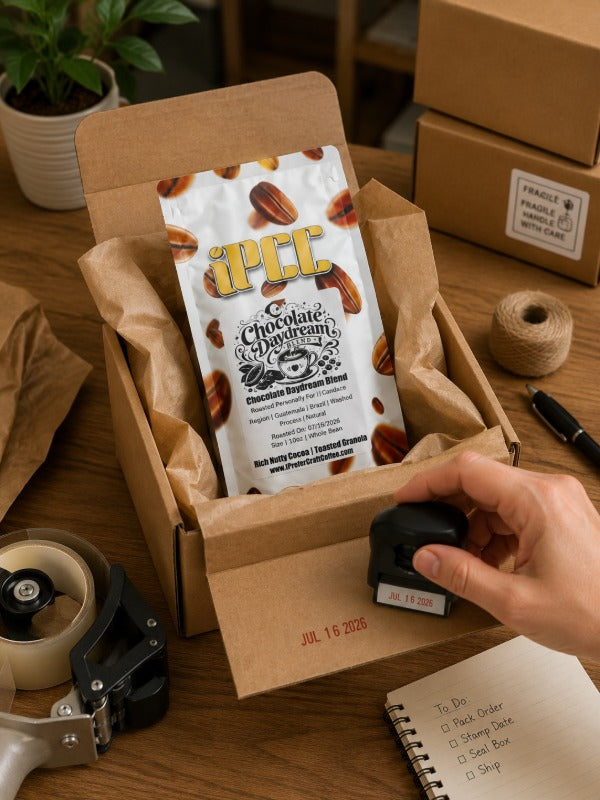

Best Coffee Bean Delivery: Why Fast Isn't Enough
This article explains what makes the best coffee bean delivery, arguing that shipping speed alone is meaningless without coffee beans roasted to order, a clear shipping cutoff, and real human customer support during delays, and offers a practical checklist for evaluating any roaster's delivery promise.
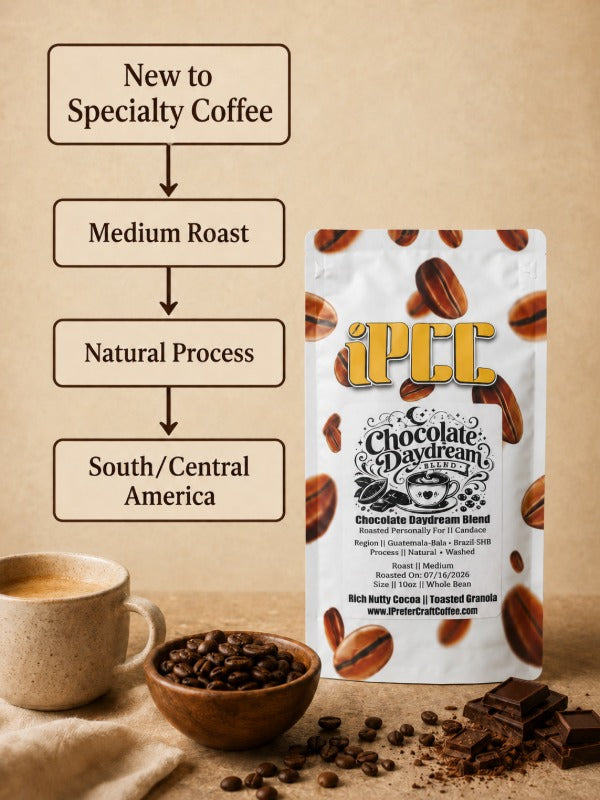

Best Tasting Coffee at Home: Where to Start
This article addresses the best tasting coffee at home as a genuinely subjective question, recommending a balanced, naturally processed medium roast from South or Central America as a starting point, and offering a simple tasting and note-taking method for home coffee lovers to discover their own preferences over time.
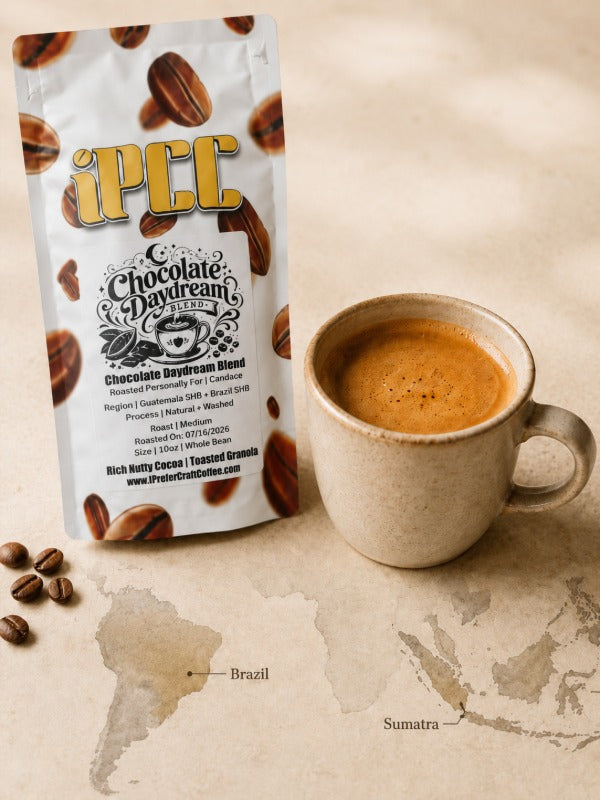

Low Acidity Coffee Beans That Taste Good at Home
This article identifies low acidity coffee beans that taste good, explaining how roast level, processing method, origin, and brew method like cold brew genuinely reduce acidity, and helps coffee drinkers avoid mass-market "gentle" coffee that sacrifices flavor for a low-acid claim.